
Cristiano Ronaldo can earn more in a year than many professional athletes will make in their entire careers.

The Portuguese soccer superstar topped Forbes' 2026 list of the world's highest-paid athletes with estimated annual earnings of $300 million. Meanwhile, a reserve player in Major League Soccer can earn a minimum salary of just $88,025.
Both are professional soccer players. Their financial circumstances could hardly be more different.
And that gap exists across almost every major sport.
In basketball, Stephen Curry earns more than $62 million in salary for the 2026-27 season. In baseball, Shohei Ohtani has a contract worth $700 million over ten years, although most of that money is deferred. In hockey, the biggest contracts are approaching $20 million annually.
Tennis and golf operate differently. Players generally have no guaranteed annual salary. Their income depends on tournament results, sponsorship agreements, and other commercial opportunities.
So what does a professional athlete actually earn?
The answer depends on the sport, the league, the player's experience, and whether the discussion concerns salary, prize money, or total income.
Professional Sports Salaries Compared
The following figures provide a snapshot of major professional leagues and tours in 2026. All amounts are in U.S. dollars.
| Sport / League | Entry-level compensation | League average | Leading salary or earnings |
|---|---|---|---|
| MLB baseball | $780,000 minimum | More than $5M | Shohei Ohtani, $70M contract AAV |
| NBA basketball | Approximately $1.3M rookie minimum | $12.38M | Stephen Curry, $62.59M |
| NFL football | Approximately $885,000 rookie minimum | No single consistently defined published average | Patrick Mahomes, $64M contract AAV |
| NHL hockey | $850,000 minimum | Approximately $3.9M by reported cap-hit dataset | Leo Carlsson, $18M cap hit |
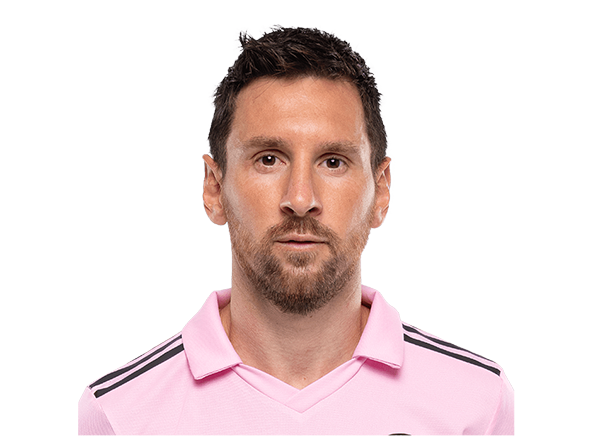
| MLS soccer | $88,025 reserve minimum | Approximately $686,000 | Lionel Messi, $28.3M guaranteed compensation |
| ATP / WTA tennis | No guaranteed salary | No directly comparable league average | Carlos Alcaraz, $53.7M estimated total earnings |
| PGA Tour golf | No guaranteed salary | No directly comparable league average | Scottie Scheffler, $30.94M official 2026 prize money |
Important: These are different financial measures. Contract average annual value (AAV), annual salary, guaranteed compensation, prize money, and estimated total earnings are not interchangeable. Figures also cover different league seasons and reporting periods.
The most striking feature of the comparison is the difference between athletes who receive guaranteed salaries and those who must earn their income through competition.
Baseball: MLB's Massive Contracts
Major League Baseball has produced some of the largest contracts in professional sports.
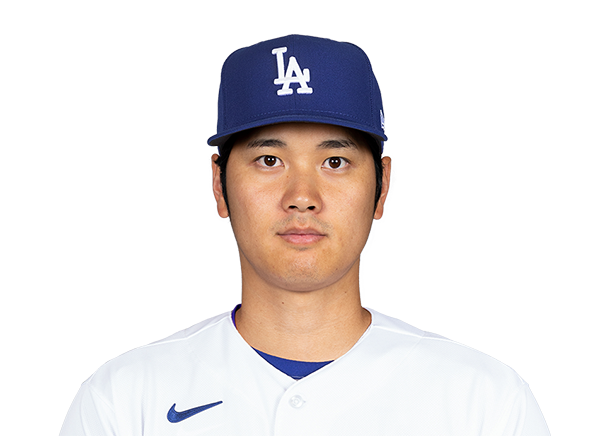
The 2026 MLB minimum salary is $780,000, while average player salaries exceed $5 million.
But the biggest contracts operate on an entirely different scale.
Shohei Ohtani signed a ten-year, $700 million agreement with the Los Angeles Dodgers, establishing a benchmark for baseball contracts.
The deal averages $70 million annually in nominal contract value. However, Ohtani receives only $2 million annually during the playing portion of the agreement, with most of the money deferred until later years.
That makes him an excellent example of why contract value, current salary, and actual cash received must be distinguished.
Baseball's Financial Structure
Unlike the NFL, NBA, and NHL, MLB does not operate under a conventional hard team salary cap.
Instead, teams exceeding specified payroll thresholds face competitive balance tax penalties.
This allows wealthier organizations to commit enormous amounts to established stars, although spending does not guarantee championships.
Players also have different earning opportunities depending on their service time.
Young players typically begin near the league minimum. Arbitration-eligible players can receive substantial increases before eventually becoming eligible for free agency.
For many players, the biggest financial rewards arrive only after several successful major league seasons.
Basketball: The NBA's Extraordinary Average Salary
The NBA stands out because of the enormous salaries earned by established players and its relatively small roster sizes.
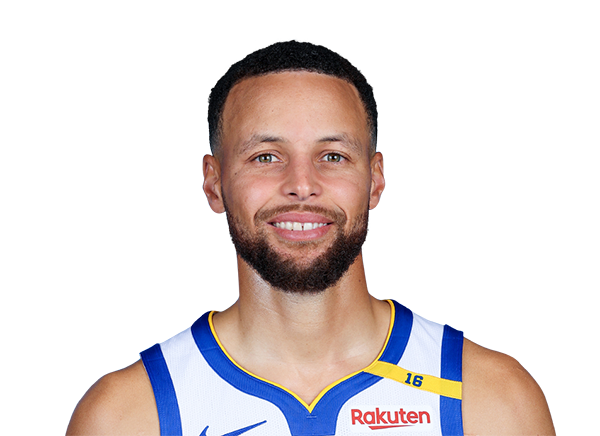
According to Basketball-Reference's 2026-27 contract database, the average NBA player salary is approximately $12.38 million, with a median of about $6 million.
That difference is significant.
The average is pulled upward by superstars earning $40 million, $50 million, or more. The median better reflects the middle of the salary distribution.
Stephen Curry leads the 2026-27 salary table at approximately $62.59 million.
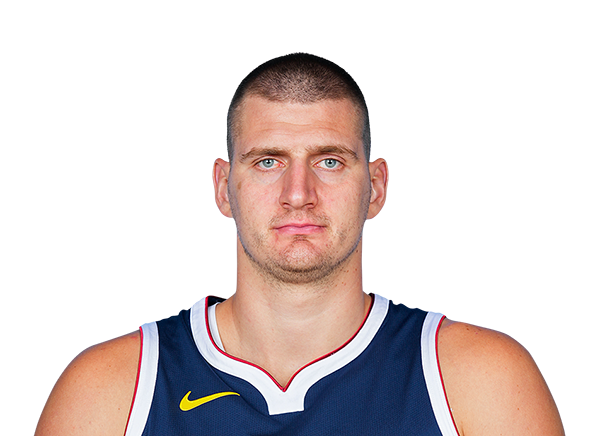
Other players earning close to $60 million include Nikola Jokic and Jayson Tatum.
Why NBA Salaries Are So High
NBA teams divide substantial basketball-related revenue among relatively small playing rosters.
A typical NBA team has 15 standard roster positions, creating a different salary structure from the NFL, where teams maintain much larger rosters.
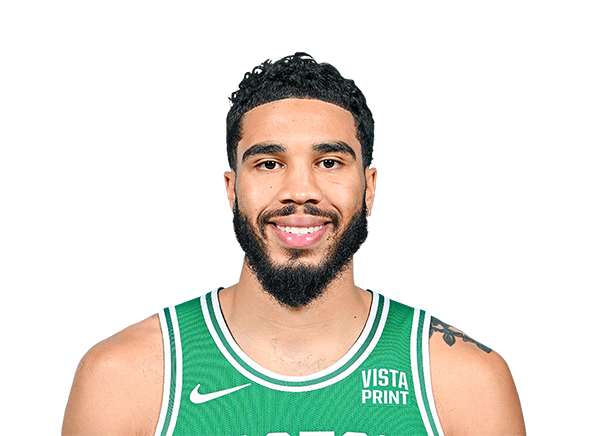
The NBA also has maximum salary rules tied to experience and the league's salary cap.
Those rules limit how much individual stars can earn from their teams, even when their commercial value is considerably greater.
For globally recognized players, endorsements can add tens of millions of dollars annually.
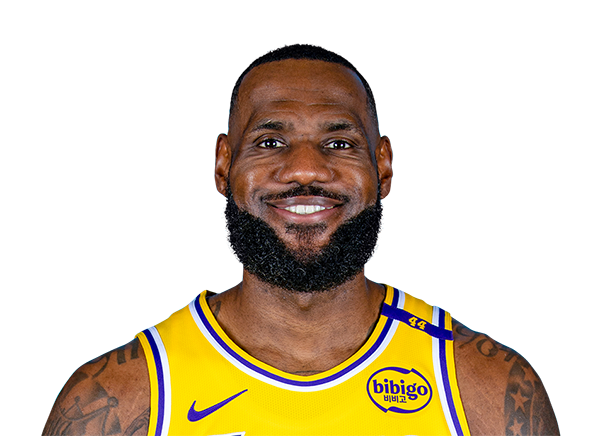
LeBron James and Curry are among the clearest examples of basketball stars whose income extends far beyond their playing contracts.
Football: NFL Quarterbacks Dominate the Pay Scale
The NFL generates enormous revenues, but its salary distribution is highly uneven.
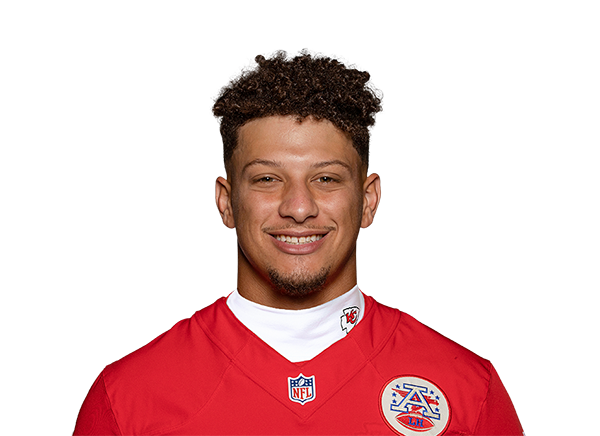
Quarterbacks command the largest contracts, while many other players earn substantially less.
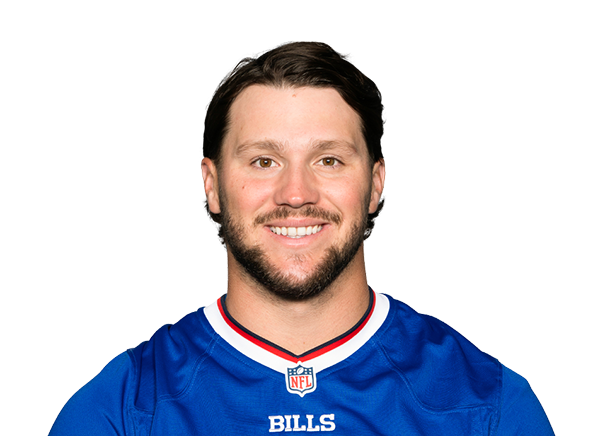
In 2026, Patrick Mahomes leads reported quarterback contract rankings at approximately $64 million in average annual value.
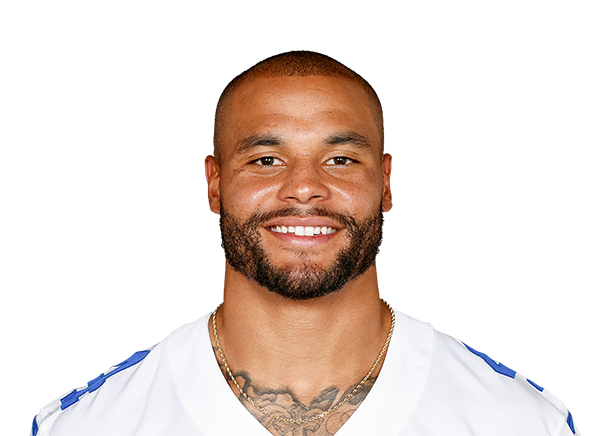
Dak Prescott follows at $60 million, with several other quarterbacks holding agreements averaging approximately $55 million annually.
The NFL's Highest-Paid Quarterbacks
| Player | Team | Contract AAV |
|---|---|---|
| Patrick Mahomes | Kansas City Chiefs | $64M |
| Dak Prescott | Dallas Cowboys | $60M |
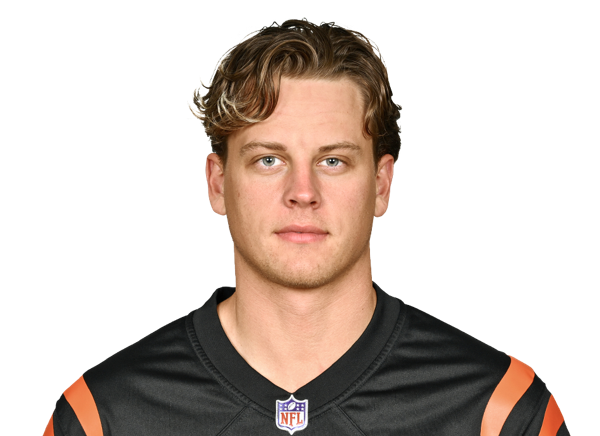
| Joe Burrow | Cincinnati Bengals | $55M |
| Josh Allen | Buffalo Bills | $55M |
| Trevor Lawrence | Jacksonville Jaguars | $55M |
These figures represent reported annualized contract values, not necessarily cash received during the 2026 season.
For younger players, compensation is dramatically different.
A first-year player on a standard NFL minimum contract earns approximately $885,000 in 2026, while highly drafted rookies receive larger contracts governed by the rookie wage scale.
The league's financial structure also reflects the physical demands of football.
NFL careers can be relatively short, and contracts often contain complex guarantees, bonuses, and termination provisions.
A contract advertised as being worth $100 million does not necessarily mean the player will collect the entire amount.
Guaranteed money can be more important than the headline contract figure.

Hockey: NHL Salaries Continue to Rise
The NHL's salary cap has increased significantly, reaching $104 million per team for the 2026-27 season.

The league minimum has also increased to $850,000.
At the top end, Anaheim Ducks forward Leo Carlsson carries a reported $18 million annual cap hit, followed by Minnesota Wild star Kirill Kaprizov at $17 million.

Leading NHL Contract Values
| Player | Team | Annual cap hit |
|---|---|---|
| Leo Carlsson | Anaheim Ducks | $18M |
| Kirill Kaprizov | Minnesota Wild | $17M |
| Connor Bedard | Chicago Blackhawks | $15M |
| Leon Draisaitl | Edmonton Oilers | $14M |
| Jack Eichel | Vegas Golden Knights | $13.5M |
A cap hit represents the annualized value used for salary-cap accounting. Actual annual cash compensation can differ because of signing bonuses and contract structures.

The NHL's collective bargaining agreement also provides for further increases in the league minimum over the coming years.

Although top hockey players earn less from their contracts than leading NBA stars or NFL quarterbacks, the league provides substantial guaranteed compensation to established players.
For most NHL players, team salary remains the principal source of professional income.

Soccer: The Biggest Global Earnings Gap
Soccer presents perhaps the most dramatic contrast between elite global stars and ordinary professionals.
Cristiano Ronaldo's estimated $300 million in annual income includes approximately $235 million in playing-related compensation and $65 million from commercial activities, according to Forbes.
Lionel Messi also remains among the world's highest earners.
Yet professional soccer compensation varies enormously depending on the country, club, and competition.
European clubs, Saudi Arabian teams, Major League Soccer franchises, and lower-division organizations operate under very different financial systems.
MLS Provides a Useful Comparison
For 2026, Major League Soccer establishes a senior minimum salary of $113,400 and a reserve minimum of $88,025.
The average annual guaranteed compensation is approximately $686,000, according to analysis of the MLS Players Association salary guide.
Messi's listed MLS guaranteed compensation is approximately $28.3 million.
That figure does not capture every commercial arrangement associated with his global brand.
MLS's Designated Player rules allow teams to sign certain stars whose compensation substantially exceeds normal salary-budget limits.
Globally, soccer's highest-paid players can earn amounts rivaling or exceeding the biggest contracts in North American professional sports.
But there is no single meaningful worldwide average salary for professional soccer players.
The earnings of a Premier League star cannot be treated as representative of a player competing in a lower professional division.
Tennis: Prize Money Instead of Guaranteed Salaries
Professional tennis operates on an entirely different financial model.
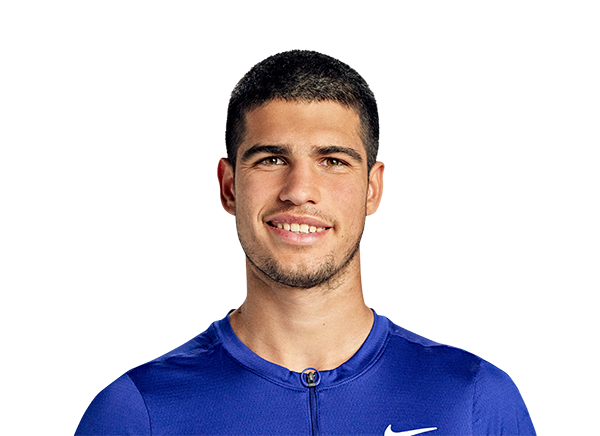
Carlos Alcaraz, Jannik Sinner, Coco Gauff, and Aryna Sabalenka can earn millions through tournament performances and commercial agreements.
But unlike players in the NBA or NHL, most tennis professionals are not guaranteed an annual salary by a league.
They must compete to earn prize money.
Players also face substantial travel, coaching, accommodation, equipment, and support-team expenses.

For athletes competing outside the highest levels of the sport, those costs can consume a large portion of tournament earnings.
Tennis's Leading Commercial Stars
Forbes estimated Carlos Alcaraz's total earnings at $53.7 million over its 2026 measurement period.
Approximately $38 million came from off-court activities, including endorsements, appearances, exhibitions, and other commercial arrangements.
That means his commercial income exceeded his reported playing-related income.
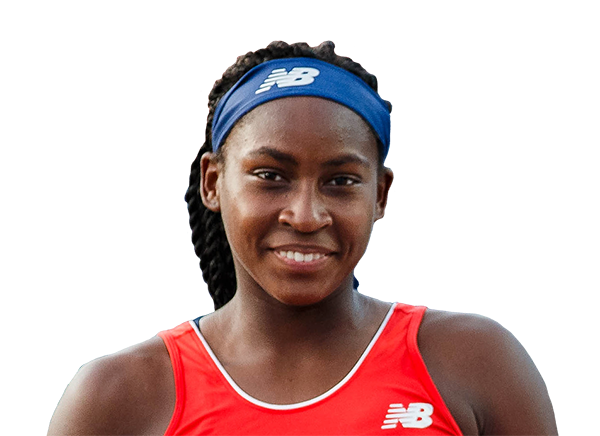
The same financial pattern is increasingly important in women's tennis.
Coco Gauff, Sabalenka, and Iga Swiatek have developed substantial commercial profiles alongside their tournament success.
But tennis has a pronounced income divide.

Players who regularly reach the later rounds of Grand Slam tournaments can earn millions.
Those competing in qualifying events and lower-level tournaments face a much less predictable financial future.
The ATP recently outlined proposals intended to expand player compensation, including a target of $350 million by 2028.
That development reflects growing attention to how tennis distributes its financial rewards.

Golf: Millions for Winners, Uncertainty for Others
Golf shares some financial characteristics with tennis.

Most PGA Tour players do not receive a guaranteed annual salary simply for holding tour membership.
Instead, they compete for tournament prize money, with additional opportunities through bonuses, sponsorships, appearances, and other business activities.

Scottie Scheffler led the PGA Tour's 2026 official money standings with approximately $30.94 million.
Cameron Young earned approximately $15.07 million, while Matt Fitzpatrick collected approximately $14.68 million.
Leading PGA Tour Prize-Money Earners in 2026
| Player | Official prize money |
|---|---|
| Scottie Scheffler | $30.94M |
| Cameron Young | $15.07M |
| Matt Fitzpatrick | $14.68M |
| Wyndham Clark | $14.64M |
| Rory McIlroy | $11.57M |
These figures exclude endorsements and certain other payments.

A successful golfer can also earn significant income from equipment manufacturers, apparel companies, financial services businesses, and other sponsors.
LIV Golf has introduced another financial model, involving substantial contractual arrangements and tournament earnings. Those contracts are not directly comparable with PGA Tour prize-money totals.
At the lower levels of professional golf, players can face considerable financial pressure.

Travel, coaching, equipment, and tournament expenses must often be paid before prize money is received.
Winning a major championship can transform a career financially. Merely qualifying to compete professionally offers no similar guarantee.

Endorsements: Where Sports Superstars Build Their Fortunes
For the world's most recognizable athletes, playing income can be only part of the financial picture.

Major endorsement agreements can generate tens of millions of dollars annually.
Sponsorship income is especially important for athletes with international recognition, strong social-media followings, and long careers at the top of their sports.
Estimated Earnings of Selected Global Stars
| Athlete | Sport | Playing / on-field | Off-field | Total |
|---|---|---|---|---|
| Cristiano Ronaldo | Soccer | $235M | $65M | $300M |
| Lionel Messi | Soccer | $70M | $70M | $140M |
| LeBron James | Basketball | $52.8M | $85M | $137.8M |
| Shohei Ohtani | Baseball | $2.6M | $125M | $127.6M |
| Stephen Curry | Basketball | $59.7M | $65M | $124.7M |
| Jon Rahm | Golf | $97M | $10M | $107M |
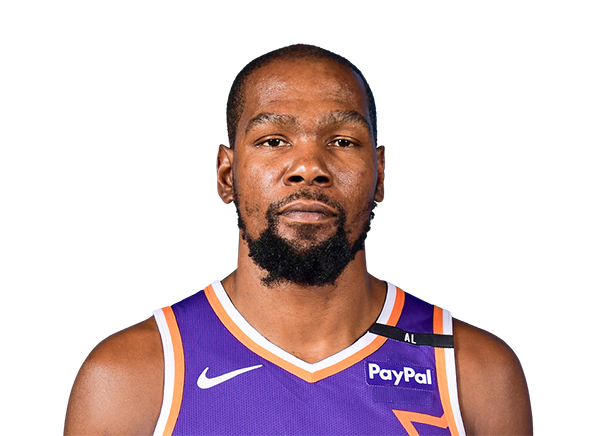
| Kevin Durant | Basketball | $54.8M | $49M | $103.8M |
Source: Forbes' 2026 highest-paid athletes estimates. Figures cover Forbes' annual measurement period and are not necessarily identical to calendar-year salary or tournament prize-money records.
Ohtani's financial position is particularly remarkable.
His heavily deferred Dodgers contract results in relatively modest current playing payments, while his estimated off-field earnings reach $125 million.
LeBron James provides another example.
His commercial earnings are estimated at $85 million, exceeding his playing income by more than $30 million.
The commercial value of a superstar depends on much more than athletic performance.
Marketability, personality, international popularity, social-media reach, brand partnerships, and business investments can all influence earnings.
Why Average Salary Doesn't Tell the Whole Story
Averages can create a misleading impression of professional sports wealth.
In the NBA, an average salary exceeding $12 million does not mean most players earn that amount. The league's median salary is substantially lower.
The same issue exists in baseball and soccer, where a relatively small number of enormous contracts can raise the overall average.
In tennis and golf, calculating an average is even more complicated.
Should it include only established tour members? Players who participated in one tournament? Lower-level professionals? Athletes who earned no prize money during the season?
Different definitions produce very different answers.
There is also the question of career length.
A player earning $1 million annually for three seasons may ultimately accumulate less playing income than someone earning $500,000 over a 12-year career.
Injury risk, pension benefits, guaranteed contracts, taxes, agent fees, and retirement planning all affect how much money an athlete ultimately keeps.
Which Sport Offers the Best Financial Opportunity?
For athletes who reach the highest levels, all seven sports can provide extraordinary financial rewards.
The NBA offers unusually high average salaries and substantial guaranteed contracts.
MLB provides enormous long-term agreements and opportunities for players who establish themselves before free agency.
NFL quarterbacks can command exceptional compensation, although football careers carry significant physical and contractual risks.
The NHL offers a structured salary system with rising minimums and growing top-end contracts.
Soccer provides access to a global commercial marketplace, but income varies dramatically by league.
Tennis and golf offer potentially enormous earnings without guaranteeing participants a regular salary.
For young athletes, the most important financial question may not be which sport produces the wealthiest superstar.
It may be which sport offers a realistic path to a sustainable professional career.
The Bottom Line
Professional sports salaries have reached extraordinary levels, but the financial rewards are distributed very unevenly.
A handful of athletes can earn more than $100 million annually when endorsements and commercial income are included.
Others earn league minimums, rely on short-term contracts, or compete for prize money without any guaranteed income.
The difference between those two groups is enormous.
And as broadcasting rights, sponsorship agreements, international investment, and digital audiences continue to expand, the business of professional sports is likely to remain a major story in its own right.
For fans, the next time a record contract makes headlines, the most useful question may be surprisingly simple:
How much of that money is guaranteed, how much is actually being paid now, and how much comes from playing the sport at all?
Sources
- Forbes — The World's 10 Highest-Paid Athletes 2026
- Basketball-Reference — NBA Player Contracts
- MLB Salary Statistics — Statista
- ESPN — Highest-Paid NFL Players by Position
- NHL — New Collective Bargaining Agreement
- MLS Players Association — 2026 Salary Guide
- MLS — 2026 Roster Rules and Salary Minimums
- Forbes — Highest-Paid Tennis Players 2026
- PGA Tour — Scottie Scheffler's Official Earnings